Rucking this winter?
Be sure to stay warm.
But, do it in a smart way.
Here’s our tips for cold weather rucking.
These top tips were gleaned from the experience of many ruckers.
Here’s the gear we’re going to look at:
Best materials for cold weather rucking
First of all, let’s review the best materials to use in the cold weather.
Best Fabrics for Cold Weather Ruck March
In general, wool is a superior material for cold weather as compared to cotton. It is also better than most synthetic materials that are not purposed designed for cold weather.
Wool from a sheep is an amazing insulator.
Nature made sure of that – the crimped nature of the individual wool fibers ensures that they form millions of tiny air pockets.
These tiny pockets trap air, helping to provide a thermal barrier.
And, wool outperforms cotton even more when it is wet.
Cotton is NOT recommended for hiking in cold conditions.
Why? Because when cotton gets wet it completely loses its insulating abilities. It also does not wick away perspiration.
Base layer fabrics should be wicking (which transports moisture away from your skin via capillary action) and tight fitting.
Wicking fabrics don’t work as intended when worn too loose, they must be close to the skin for best results.
So, in short – look for synthetic materials made specifically for cold weather and Merino wool. Stay away from cotton.
Dress in Layers
We don’t even have to say this – but just like your mother told you – dress in layers.
Why? For flexibility for one.
Your going to start out pretty cold – but the weather may change.
You’re in the ruck march for the long haul – and the wind may pick up or die down, or the sun may come out – or maybe not.
And have a layer that’s ready for precipitation too – if that’s a possibility.
Secondly, your body is going to be working hard – much harder than an equivalent walk.
So, you will heat up naturally.
When you can strategically shed a layer or two – you’ll be prepared to stay comfortable.
Overheating on a ruck march is a very real possibility.
And then you are soaking wet with sweat – and then maybe you are cold again.
Remember, this is the reason we are NOT wearing cotton.
Layers, Layers, Layers.
Hat or Beanie
It’s common knowledge you can lose a lot of heat through your head.
So wear a hat. Whether you rock a winter beanie, or a baseball cap or tactical cap is up to you and your preference.
Not a fan of hats? Have one just in case anyways.
No products found.
Wearing a helmet? Look for a thin beanie to wear underneath.
This particular model is thinner than other models – but may not be enough unless it is under something else.
Gear incorporating Polartec is always a solid choice otherwise.
No products found.
Lastly, Arcteryx makes a number of stylish and functional beanies.
No products found.
Neck Gaiter
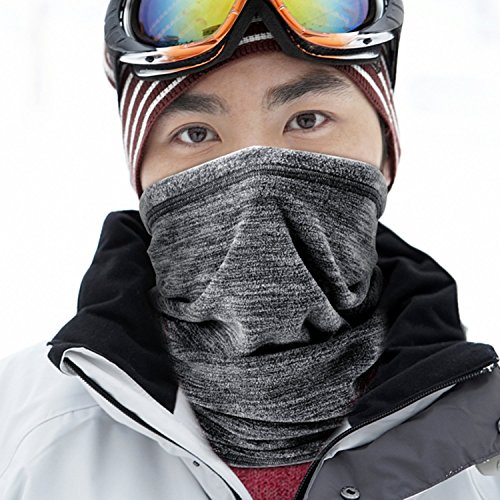
What’s a Neck Gaiter?
A neck gaiter, also sometimes called a “buff”, is something you wear around your neck to keep warm.
Like a scarf, but more versatile.
Why? Because you can pull it up and cover your mouth and/or much of your face if needed.
So, it’s really a combination scarf and face mask.
The heat that can escape betwen your jacket collar and beanie is significant – so keep it covered up – it will make a big difference.
Look for a something nice and long. This will give you plenty of material stuffed down in the collar when pulled up over the nose and face – and will be more versatile.
Neck gaiters are usually meant for the cold, so fleece is a popular material.
No products found.
No products found.
In regards to keeping your face warm, you could also wear a balaclava. But honestly, that’s going to freak people out in most places.
No products found.
But, if it’s really cold, that might be your best bet.
By the way, the neck gaiter is super versatile – it can be a head band, neck warmer, hood, balaclava or mask, and a hat.
Shemagh
Similar in function to the neck gaiter is the shemagh.
What’s a shemagh?
Also called a effiyeh, this is a large (typically 42″ square, some 48″ square), versatile combination of scarf, face mask, and head cover.
It’s usually a light-weight versatile material like cotton – as opposed to being made from thick wool like a scarf might.
No products found.
Shemaghs are popular year round – keep the sun, wind, or cold off your face, neck, and head at any time of the year.
They also have a cool cachet about them and are popular with special forces.
There’s a variety of interesting designs to suit your taste.
No products found.
“Combat Flip Flops” sells shemaghs made in Afghanistan.
Your purchase helps provide educational benefits to those in conflict and post-conflict territories.

Thermal Shirt
You should wear a shirt, for sure.
But whether a regular cotton t-shirt or a purpose-built thermal shirt is the right option is all going to depend on the weather.
Under Armor Coldgear is also a solid choice – because it wicks away any sweat.
No products found.
Sweater or Sweatshirt
Next layer above the shirt might be a Merino wool sweater – that would be an excellent choice – for all the reasons we outlined above.
No products found.
Jacket
Again, thinking in the theme of layers – a jacket on top of the shirt.
Polartec jackets are popular.
No products found.
Fleece is also a great option.
Windbreaker
If you are expecting windy conditions – pack a windbreaker.
A windbreaker is usually made of special synthetic material such that it can block wind chill.
They are usually water resistant as well, at least for light precipitation.
We mentioned that windbreakers are usually made with synthetic material – because they can then be made very lightweight.
That allows you to have a layering approach – with the windbreaker being light and packable.
Gore Windstopper (from Gore-Tex) is a typical example of such a material.
No products found.
Scarf
Sure, you could wear a scarf.
But with infinitely cooler options like the shemagh and neck gaiter – why would you?
Gloves
Cold hands (and fingers) can make a ruck march miserable.
And if this is a GORUCK event – you might have to carry something – at least part of the time.
Sticking your hands in your pockets isn’t likely going to be an option.
So, pack some gloves.
You can wear something light and less insulated, like mechanix style work gloves, or if you are expecting extreme temperatures go for a real winter glove.
Mechanix has extra insulated gloves for cold conditions – and that may be the best cold weather choice overall.
No products found.
Again, you may be bear crawling, or doing bag swings, or carrying a log or water jug – who knows.
Having a real work glove with grip, but is also warm, is probably a good idea.
Gloves that still offer some dexterity are a good idea too.
The No products found. is a good choice.
No products found.
Glove liners are another option that can work with gloves you already have – like mechanix.
This will give you extra warmth – and a tough exterior with good grip.
No products found.
Maybe you just need real winter, insulated gloves.
North Face gloves with Polartec are a winner.
As a bonus, these are touch-screen friendly.
Just don’t let the cadre see you messing with your phone…
No products found.
Mittens or Hand Warmers
If it’s gonna be brutally cold, mittens and hard warmers might be a good idea.
Sometimes even gloves aren’t enough.
And honestly, carrying a heavy ruck for distance is enough work.
Why make yourself more miserable than you need to be?
Mittens with hand warmers in side – a winning combination.
No products found.
No products found.
Socks
Socks are an important part of your rucking gear in ANY temperature.
Let’s recap some best practices.
Many people swear by two pairs of socks.
Not one on your feet, and one in your pack, but rather a light sock as the inner layer , with a thicker, heavier sock over top.
In cold weather this will provide excellent insulation – especially if that outer sock is a wool sock.
But perhaps more importantly this is one of the secrets to avoiding hot spots and blisters on the ruck march.
Now, having said all that – there’s no harm in packing a third pair of socks in your rucksack as a backup pair. After all, they don’t weigh very much.
No products found.
No products found.
Cold Weather Boots
Honestly, if you’ve done your socks right you probably don’t need cold weather boots – but again – just how cold are we talking?
Perhaps more importantly – what’s the terrain going to be like?
Ice, snow, slush, water?
Traction may be of the utmost importance.
And assuming there’s not going to be any purposeful immersion – Gore Tex or other waterproof boots are probably a good idea.
Also – if it is gonna be so cold you need winter boots – you may want to go with triple layer socks also. Make sure one layer is wool – for the reasons described earlier.
No products found.
Lip Balm
Best lip balm for cold weather?
There’s many options, but some swear by Tincture of Benzoin.
It also works great if your nostrils get irritated or raw.
Miscellaneous Cold Weather Rucking Tips
Here’s a grab bag of good ideas that didn’t fit anywhere in the rest of the article.
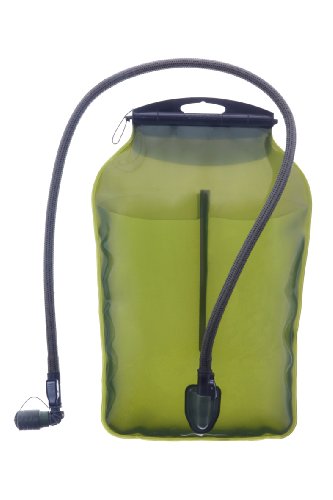
Packing a hydration pack? Remember that the water in the tube can freeze, and quick. Solution? BLOW the water in the tube back into the bladder after you are done drinking.
Extended time in cold weather means runny noses, so pack tissues or a handkerchief. Really, it’s the little things that make the difference.
In Summary
Rucking in cold weather?
Layers, layers, layers.
And don’t forget the extremities – head, neck, hands, and feet.
We hope we provided some good ideas for your upcoming ruck march.
You may also like our article on beginner rucking gear or our cheap rucksack guide.
Last update on 2026-10-08 / Affiliate links / Images from Amazon Product Advertising API